Creating the Perfect Tailored Produce Boxes: A Step-by-Step Approach
Developing specialized fruit and vegetable boxes needs a strategic strategy. Specialists must evaluate sustainability, functionality, and aesthetics. Picking the suitable components is crucial for maintaining quality and advancing eco-friendly methods. Additionally, size and shape can significantly impact ease of use and shipping efficiency. Compelling graphics enhance company identity, while comprehensive assessment guarantees durability. Grasping these components will uncover vital insights into creating standout packaging approaches that appeal to customers. What comes next is fundamental to achieving those goals.
Picking the Ideal Resources for Custom Produce Boxes
When selecting materials for custom produce boxes, it is important to examine both practical use and sustainability. The selection of material substantially shapes the box's durability, weight, and capacity to defend the contents. Common materials comprise corrugated cardboard, which offers strength and is recyclable, making it a popular choice for environmentally conscious businesses. Biodegradable options, such as molded pulp or plant-based plastics, also correspond with sustainable practices while providing adequate protection for delicate produce.
Moreover, moisture resistance is necessary for keeping quality consistent, driving some vendors to assess enhanced substances or particular protective applications. The visual charm of the box cannot be dismissed, since branding and visual presentation can shape consumer perception. Ultimately, the best option should equilibrate between protecting the produce, engaging consumers, and meeting ecological requirements, ensuring both functionality and sustainability are prioritized within the design process.
How to Decide on Size and Shape for Effectiveness?
When deciding on the size and shape of custom produce boxes, careful assessment of produce measurements is crucial for effective storage. Additionally, considerations for handling and transport can affect the box design, guaranteeing ease of movement. Maximizing storage space utilization further improves functionality, allowing for effective presentation and organization.
Evaluate Produce Measurements Carefully
Picking the ideal size and shape for produce boxes is required for operational success. Meticulous examination of produce size is critical, as it ensures that items fit snugly without superfluous space that might cause damage during shipment and storage. Custom-designed containers need to accommodate various shapes, from delicate berries to substantial vegetables, while maintaining strength. Moreover, the vertical and horizontal measurements of the boxes should promote layered storage and organization, utilizing space in storage locations. A skillfully made box not only guards the produce but also elevates attractiveness for purchasers. In conclusion, careful consideration of dimensions contributes to reducing waste and improving consumer satisfaction in the supply chain.
Examine Handling and Transport Practices
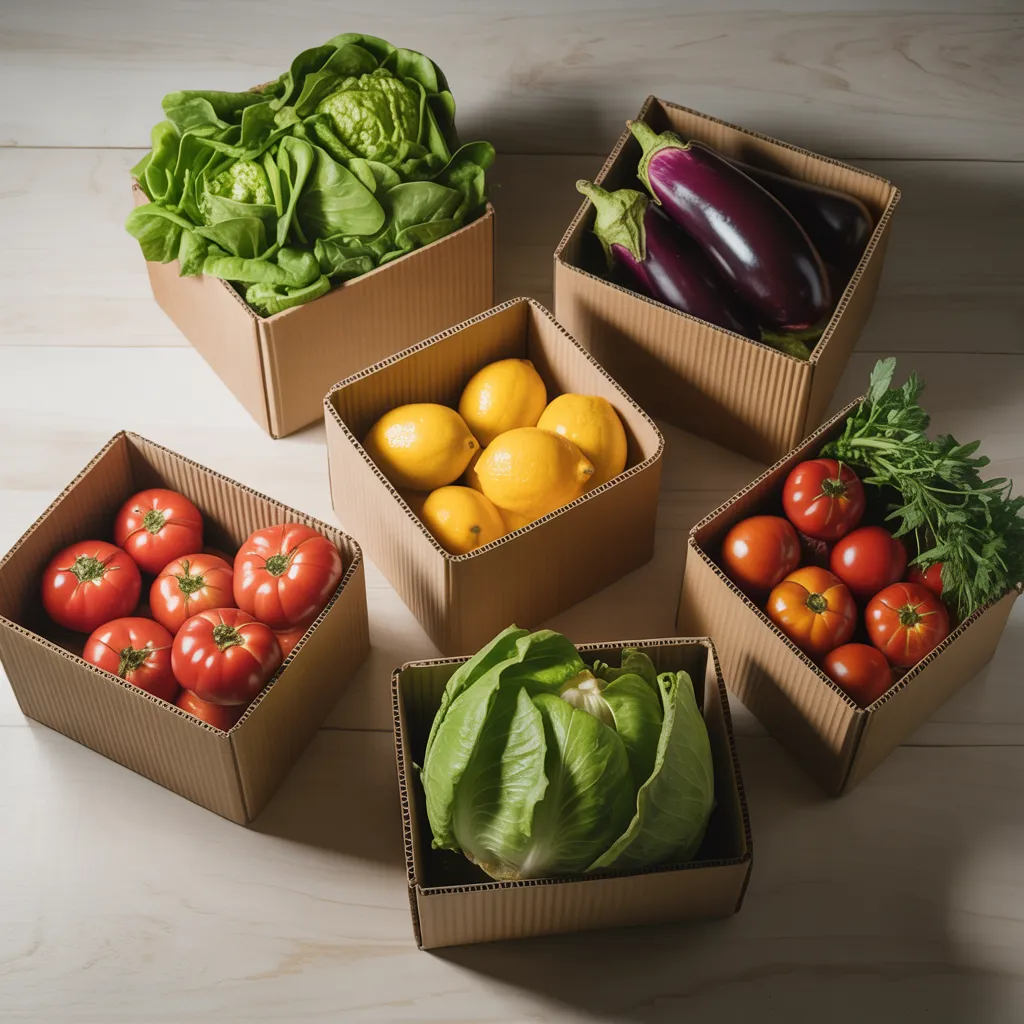
Handling and explore transport considerations play a major part in determining the right dimensions and configuration of custom produce boxes. The measurements need to contain the items without excessive area, which might cause shifting and damage in transit. Smaller, compact boxes facilitate easier management, whereas big containers might prove essential for bulkier products. Additionally, ergonomic design remains important; grip points or access ought to be strategically situated to enable comfortable lifting plus transport. The shape of the box also affects stacking with stability, ensuring which goods stay intact. Ultimately, thorough thought regarding these components enhances the efficiency of shipping, decreases product waste, while supports the complete integrity of the produce from farm to consumer.
Optimize Shelf Space Utilization
Smart shelf space usage is based on establishing the proper size and shape of custom produce boxes. Developers should take into account the dimensions of the storage shelves as well as the sorts of produce being held. Standard-shaped boxes often strengthen space efficiency, permitting for smoother stacking and alignment. By contrast, irregular designs can amplify aesthetic quality but may lead towards wasted space if not thoroughly considered.
It's essential to assess the inventory turnover rate; quick-selling products might benefit from smaller, easily accessible boxes. Furthermore, implementing adjustable or modular designs can support different dimensions of items while optimizing shelf organization. By prioritizing functionality along with aesthetics, businesses can create a practical and visually appealing display that boosts both accessibility and product visibility.
How to Build Graphics That Command Notice?
Engaging graphics can transform a simple custom produce box into a visual masterpiece that attracts interest. To accomplish this, designers should start by selecting a color scheme that reflects the vitality and energy of the produce. Bright, eye-catching colors can inspire feelings of freshness and wellness, driving consumers to take a second glance.
Strong typefaces is also essential; clear and legible fonts can effectively communicate vital details while enhancing design value. Additionally, using high-quality images of the produce can create an immediate connection, revealing the product's quality and enticing prospective purchasers.
Furthermore, incorporating distinctive visual elements and patterns can help differentiate the brand in a busy market. Alignment in design elements, such as logos and taglines, reinforces brand identity. Ultimately, a blend of inventiveness and precision in graphic design can greatly lift the power of custom produce boxes, making them stand out on shelves.
Green Practices for Custom Produce Box Packaging
An increasing amount of businesses are implementing sustainable solutions for custom produce box packaging, recognizing its importance in today's green-minded market. These practices often involve the use of biodegradable materials, such as recycled paper and plant-based plastics, which lessen environmental impact. Companies are also directing attention on responsible procurement, ensuring that materials are obtained from responsibly managed forests or suppliers who prioritize environmental stewardship.
Furthermore, numerous brands are going with understated designs that reduce waste while still effectively promoting their products. This method not only appeals to eco-aware consumers but also assists in lowering production costs. Moreover, businesses are increasingly implementing effective manufacturing processes that minimize energy consumption and waste generation. By integrating these sustainable practices, companies not only boost their brand image but also contribute positively to the planet, positioning their operations with a sustainable future.
Testing Your Custom Produce Box Design
Evaluating the structure of specialized fruit containers is a vital stage in confirming they meet both aesthetic and functional requirements. This method typically involves examining aspects like resilience, scale, and ease of use. First, prototypes should be built to evaluate the container's build quality, confirming it is able to endure delivery and storage without harming the contents.
Afterwards, usability reviews can be undertaken to ascertain how without difficulty the boxes can be opened, latched, and nested. Feedback from intended users can be invaluable in this phase, revealing viewpoints into the box's practicality.
Additionally, the design's visual appeal should be tested through surveys or focus group sessions, assessing consumer feedback to brand design elements, colors, and total visual presentation.
Ultimately, extensive testing allows designers to improve the box, guaranteeing it not only appeals to customers but also effectively protects and showcases the produce within, striking the right equilibrium between form and function.
Successfully Market Your Custom Produce Boxes
Successful promotion of custom produce boxes demands a strategic approach that highlights their distinctive advantages and value. Companies should focus on identifying their target audience, such as local farms, grocery stores, or individual consumers. Utilizing social networking sites can amplify brand awareness, displaying the boxes' appearance and functionality through engaging visuals and storytelling.
Furthermore, teaming up with local influencers or farmers can strengthen reputation and widen reach. Introducing promotions or discounts during high-demand periods can pull in initial customers and stimulate customer loyalty.
In addition, highlighting eco-conscious values and sustainable practices in brand communications can attract environmentally conscious consumers. Delivering comprehensive information about material choices and the benefits of customized packaging solutions can additionally differentiate the product in a competitive market.
In the end, a extensive marketing strategy that blends internet-based and community-based efforts will efficiently promote custom produce boxes, engaging a wide-ranging clientele and driving sales.
Popular Inquiries Asked Often
What Are the Expenses Connected With Custom Produce Box Creation?
Costs associated with custom produce box design include materials, print work, labor, and delivery. Additionally, design services and minimum order quantities can impact overall costs, leading to different prices based on specific requirements and manufacturing volume.
How Long Does Manufacturing of Bespoke Boxes Take?
Producing customized boxes usually demands two to six weeks. Factors that shape this timeline comprise design complexity, availability of materials, and manufacturing capacity, each of which might impact delivery schedules and lead times.
May I Place an Order for a Minimal Batch of Custom Produce Boxes?
Yes, modest amounts of custom produce boxes can typically be ordered. Many vendors provide base order requirements, allowing companies or people to obtain customized packaging options without having to pledge to large amounts at first.
What Are Common Errors to Prevent in Personalized Box Design?
Typical errors in custom box design consist of overlooking functionality, disregarding brand consistency, underestimating material quality, not taking into account target audience preferences, and overlooking environmental impact. Each aspect is essential for effective packaging and customer satisfaction.
How Do I Guarantee That My Boxes Are Food-Safe?
To ensure boxes remain safe for food consumption, you should choose components certified for food contact, prevent harmful inks and adhesives, preserve cleanliness during production, and regularly test for compliance with health regulations and safety standards.